Substance P and its closely related neurokinin A are produced from a polyprotein precursor after differential splicing of the preprotachykinin A gene. In the skin SP-positive nerve fibers can be normally present in the dermis and epidermis.

A Hypothetical Scenario Envisioned On The Effects Of Progesterone On Download Scientific Diagram
SP is a strong proinflammatory molecule.

NEUROPEPTIDE SUBSTANCE P HAIR LOSS. Substance P SP is a neuropeptide that is released from specific sensory nerves in response to pain and stress and plays a central role in the pathogenesis of MPB. When released into the skin it starts a flow of pro-inflammatory chemicals resulting in the activation or exacerbation of skin disease. Alopecia areata AA is an autoimmune disorder of the hair follicle characterized by inflammatory cell infiltrates around actively growing anagen hair follicles.
These nerve fibers contain neuropeptides including substance P and calcitonin gene-related peptide 9. Perifollicular SP is also involved in the regulation of hair growth. Solid evidence has demonstrated that psychoemotional stress induced alteration of hair cycle through neuropeptide substance P SP mediated immune response the role of reactive oxygen species ROS in brain-skin-axis regulation system remains unknown.
Alopecia areata AA is an autoimmune disorder of the hair follicle characterized by inflammatory cell infiltrates around actively growing anagen hair follicles. Substance P SP an important marker of neurogenic inflammation is widely distributed in the central and peripheral nervous systems. Around actively growing anagen hair follicles.
Furthermore we show that most of these hair growth-inhibitory effects of stress can be reproduced by the proteotypic stress-related neuropeptide substance P in nonstressed mice and can be counteracted effectively by co-administration of a specific substance P receptor antagonist in stressed mice. An increase in SP leads to inflammation of nerves around the hair follicles which in turn leads to excessive hair loss. 12 Also we had previously demonstrated that SP potently manipulates murine HF cycling in vivo and in skin organ cultures19 20 making SP a particularly attractive.
Arg Pro Lys Pro Gln Gln Phe Phe Gly Leu Met with an amidation at the C-terminus. Substance P SP is a stress-related neuropeptide synthesized in dorsal root ganglion small neuronal cell body and released from cutaneous peripheral nerve terminals. These nerve fibers contain neuropeptides including substance P SP and calcitonin gene-related peptide CGRP.
The present study aims to investigate possible mechanisms of ROS in regulation of SP-mast cell signal pathway in. 3 SP is considered a potent neuropeptide vasodilator and has been associated with many inflammatory processes such as mast cell degranulation and. Substance P SP plays a critical role in the cutaneous neuroimmune network and influences immune cell functions through the neurokinin-1 receptor NK-1R.
Substance P SP plays a critical role in the cutaneous neuroimmune network and influences immune cell functions through the neurokinin-1 receptor NK-1R. Perifollicular substance P is. Perifollicular substance P is also involved in the regulation of hair growth.
When we experience stress a neuropeptide known as substance P SP is released into both the skin and the brain. To better understand the role of SP as an immunomodulatory neuropeptide in AA. The deduced amino acid sequence of substance P is as follows.
It is a neuropeptide acting as a neurotransmitter and as a neuromodulator. The neuropeptide substance P increases mast cell degranulation and accelerates hair follicle regression in a murine model of the autoimmune hair loss Siebenhaar et al 2007. Substance P SP plays a critical role in the cutaneous neuroimmune network and influences immune cell functions through the neurokinin-1 receptor NK-1R.
NK-1 NK-2 and NK-3 which bind with high affinity to SP. As a member of neuropeptides family there are three principal neurokinin receptors have been described. These nerve fibers contain neuropeptides including substance P and calcitonin gene-related peptide CGRP.
Substance P Substance P SP is a neuropeptide that is released from specific sensory nerves in response to pain and stress and plays a central role in the pathogenesis of MPB. Our previous pilot study had suggested that the neuropeptide substance P SP is one candidate mediator along the brain-HF axis because the anti-proliferation and proapoptotic effects could be reproduced in fact by SP. These neuropeptides play an important role in the regulation of hair growth and are associated with the neurogenic inflammatory response.
Substance P is an undecapeptide member of the tachykinin neuropeptide family. SP is directly implicated in the inflammation catagen induction and growth inhibition that characterizes both Androgenetic and stress related hair loss. SP is directly implicated in the inflammation catagen induction and growth inhibition that characterizes both Androgenetic and stress related hair loss.
Substance P SP plays a critical role in the cutaneous neuroimmune network and influences immune cell functions through the neurokinin-1 receptor NK-1R. One substance that can have an adverse effect on hair in times of stress is the neuropeptide substance P or SP for short. These neuropeptides play an important role in the regulation of hair growth and are associated with the neurogenic inflammatory response.
To better understand the role of SP as an immunomodulatory neuropeptide. These neuropeptides play an important role in the regulation of hair growth and are associated with the neurogenic inflammatory response. Alopecia areata AA is an autoimmune disorder of the hair follicle characterized by inflammatory cell infiltrates around actively growing anagen hair follicles.
An imbalance in the tonic release of neuropeptides may result in inhibition of hair.

Schematic Diagram Of Oxidative Stress Affects Hair Follicles Cycling Download Scientific Diagram
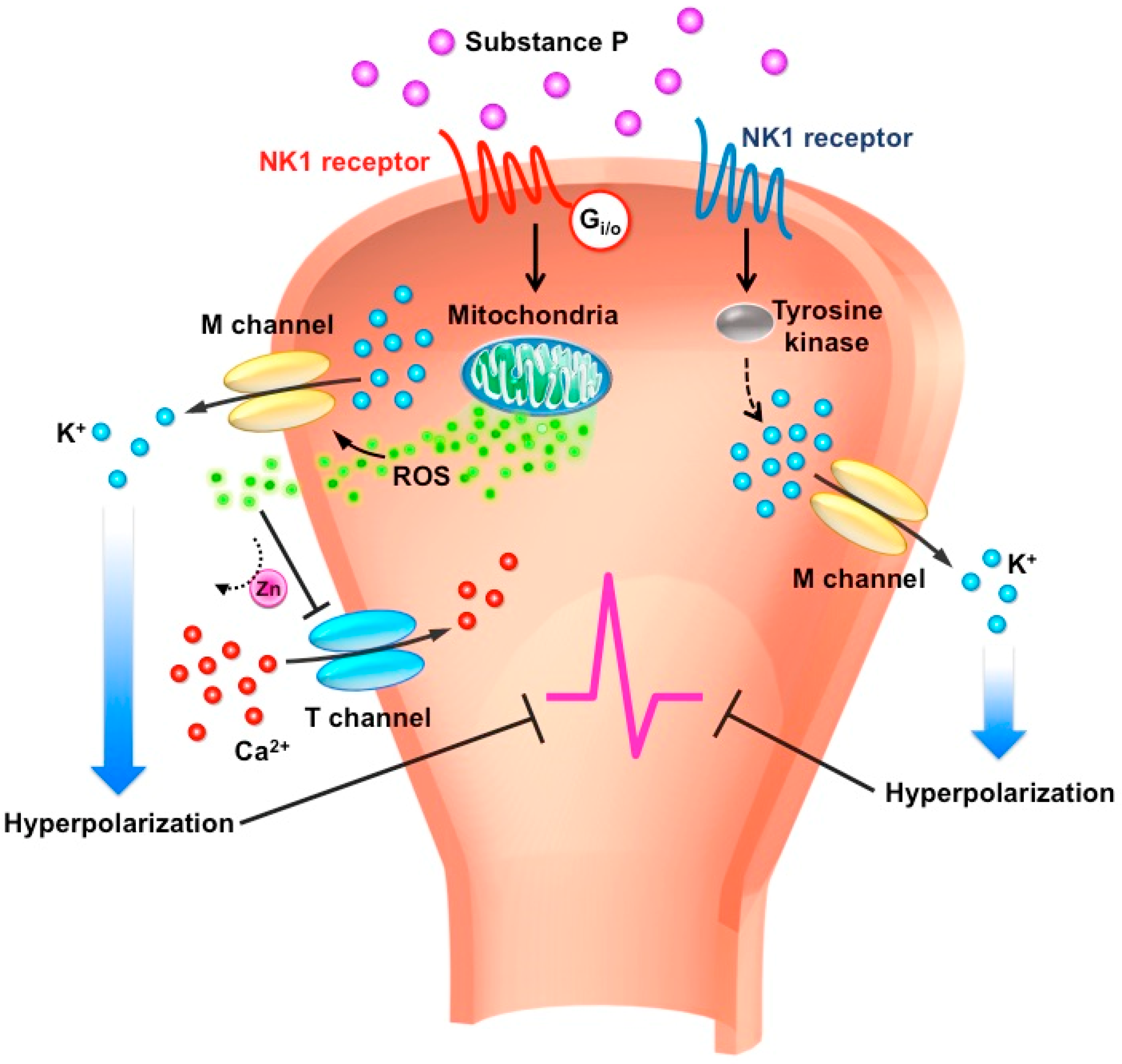
Ijms Free Full Text Ion Channels Involved In Substance P Mediated Nociception And Antinociception Html

Pin On Sephora Skincare

Suppression Of Neuropeptide By Botulinum Toxin Improves Imiquimod Induced Psoriasis Like Dermatitis Via The Regulation Of Neuroimmune System Journal Of Dermatological Science
Reduce Pigmentation Ph Formula Even Out Skin Tone Treating Hyperpigmentation
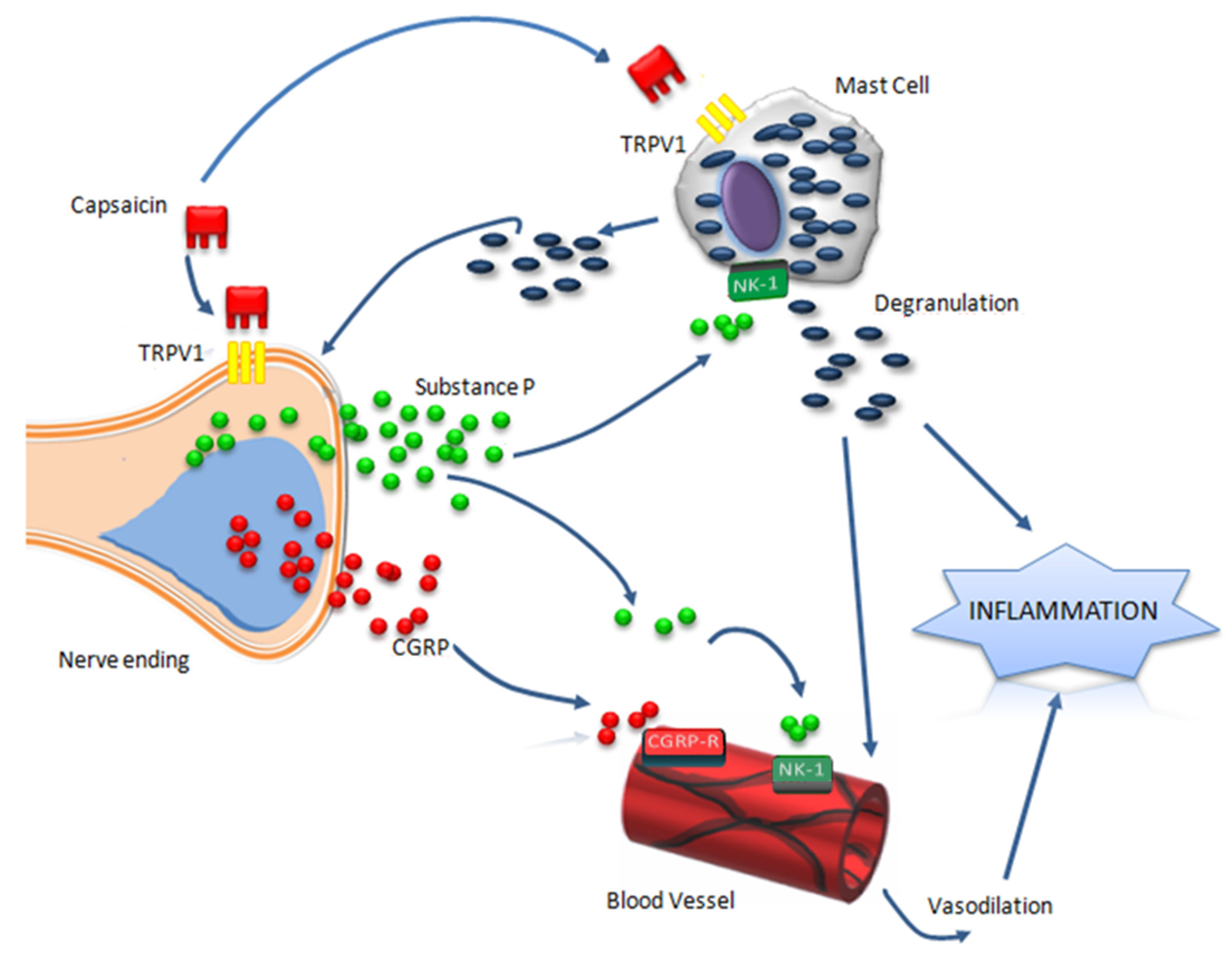
Nutrients Free Full Text Capsaicin Friend Or Foe In Skin Cancer And Other Related Malignancies Html

Serum Level Of The Neuropeptide Substance P In Patients With Acne Vulgaris Nagiub H Elbayomi Y Mansour M Zohdy M Egypt J Dermatol Venerol

The Mela Serum Contains Key Active Ingredients Such As Neuro Light To Reduce Pigmentation By Regulating The Neurop Skin Brightening Ph Formula Skin Specialist

Autonomic Nerve Dysfunction And Impaired Diabetic Wound Healing The Role Of Neuropeptides Autonomic Neuroscience Basic And Clinical

Probing The Effects Of Stress Mediators On The Human Hair Follicle Substance P Holds Central Position Abstract Europe Pmc

Serum Level Of The Neuropeptide Substance P In Patients With Acne Vulgaris Nagiub H Elbayomi Y Mansour M Zohdy M Egypt J Dermatol Venerol
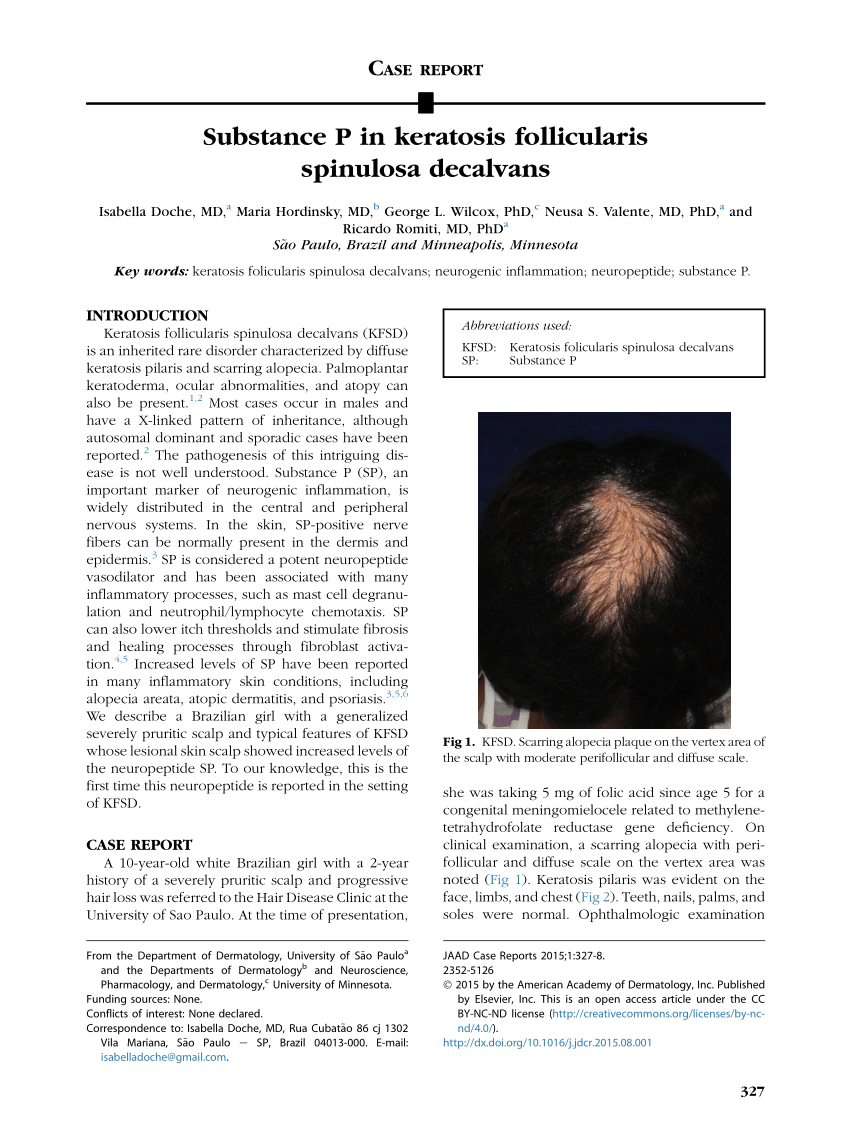
Pdf Substance P In Keratosis Follicularis Spinulosa Decalvans

Jci Lymphocytes Neuropeptides And Genes Involved In Alopecia Areata

Probing The Effects Of Stress Mediators On The Human Hair Follicle Substance P Holds Central Position Abstract Europe Pmc

Mast Cells In Neuroimmune Interactions Trends In Neurosciences

Pin On Health

Represents Proposed Involvement Of Sensory Nerves And Neuropeptides On Download Scientific Diagram

Tachykinins And Their Receptors Contributions To Physiological Control And The Mechanisms Of Disease Abstract Europe Pmc

Serum Level Of The Neuropeptide Substance P In Patients With Acne Vulgaris Nagiub H Elbayomi Y Mansour M Zohdy M Egypt J Dermatol Venerol
.png)

Tidak ada komentar:
Posting Komentar